Aligning Real-Time Deposits with Live Dealer Interactions in Mobile Casino Environments
Written by Parker Sullivan · Sep 21, 2026

Aligning Real-Time Deposits with Live Dealer Interactions in Mobile Casino Environments
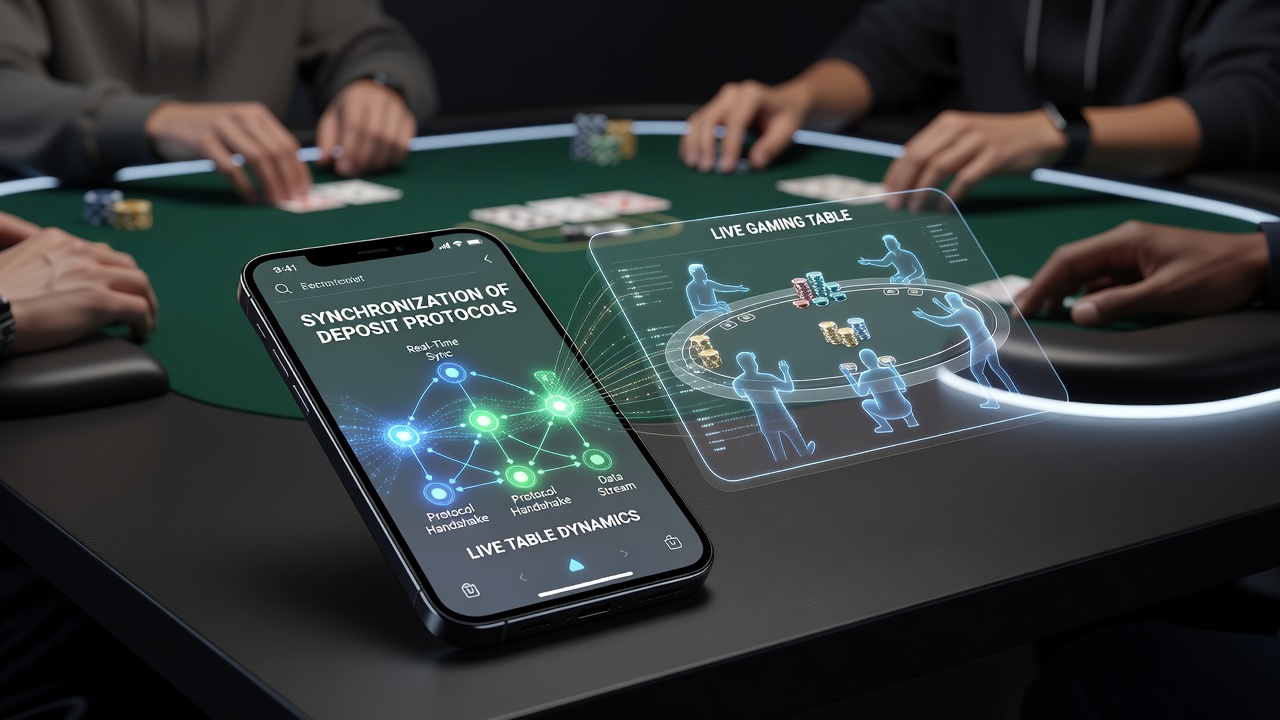
Smartphone-based gaming platforms have integrated deposit protocols directly with live table operations so that player balances update without interrupting ongoing rounds. Systems now process transactions through secure application programming interfaces that feed data into dealer software in milliseconds. Observers note that this connection allows participants to fund accounts while seated at virtual blackjack or roulette tables without exiting the session.
Data from industry tracking services shows mobile live dealer traffic increased steadily through the first half of 2026, with September figures revealing continued growth in simultaneous deposits and table participation. Regulatory bodies in multiple jurisdictions require these synchronized systems to maintain audit trails that record both financial movements and game-state changes at the same timestamp.
Core Components of Protocol Integration
Deposit gateways communicate with live table servers using encrypted channels that carry player identifiers, transaction amounts, and session tokens. When a user initiates a deposit on a smartphone interface, the protocol verifies funds through banking networks or digital wallets then pushes an updated balance to the live dealer platform before the next card or spin occurs. Researchers at academic institutions studying real-time systems have documented latency reductions to under 300 milliseconds in optimized environments.
Table dynamics respond by refreshing displayed chip counts and available bet limits automatically. This synchronization prevents situations where a player attempts a wager exceeding the newly funded balance, because the dealer software receives the confirmation before the betting window closes. Multiple operators now employ distributed ledger elements to timestamp these events across separate servers, creating verifiable records for compliance reviews.
Technical Mechanisms Supporting Live Synchronization
Application developers rely on WebSocket connections that maintain persistent links between mobile clients and backend services. These connections carry both deposit notifications and table state updates in parallel streams. When network conditions fluctuate, fallback protocols queue the deposit instruction and apply it at the earliest stable moment, ensuring the player sees an accurate balance before the subsequent hand begins.
Security frameworks incorporate device-specific authentication tokens that bind each deposit request to the active gaming session. This binding reduces the risk of mismatched transactions where funds arrive at an account already logged out of a particular table. Reports from the Pennsylvania Gaming Control Board indicate that synchronized audit logs have improved dispute resolution times because regulators can trace exact sequences of deposits and bets within individual sessions.
Regional Developments and Data Trends
Canadian provincial regulators have examined similar synchronization standards in their iGaming frameworks, requiring operators to demonstrate that deposit confirmations reach live tables before any additional wagers are accepted. In Australia, research groups affiliated with university gaming studies programs have published findings on how these protocols affect player session lengths and average bet frequencies. Their September 2026 data set showed measurable increases in completed rounds per hour when deposit latency stayed below half a second.
European operators licensed under Malta's gaming authority have adopted comparable real-time reporting requirements, with emphasis on cross-border transaction consistency. One study tracked several thousand sessions across multiple jurisdictions and found that synchronized systems reduced abandoned bets caused by insufficient funds by approximately 18 percent compared with earlier non-integrated platforms.
Operational Challenges and Adjustments
Network variability on mobile connections remains a primary concern, prompting developers to implement predictive balance buffering that anticipates small delays without allowing over-betting. Table management software now includes override functions that dealers can trigger if a deposit confirmation arrives after the betting round has closed, returning the player to the prior state until the next opportunity.
Device fragmentation across smartphone models requires extensive testing to guarantee that interface elements update uniformly when balances change mid-session. Observers tracking September 2026 performance metrics noted that operators investing in unified development frameworks experienced fewer synchronization errors across Android and iOS platforms.
Conclusion
Integration between deposit protocols and live table systems on smartphones continues to evolve through coordinated technical standards and regulatory oversight. Data collected through the third quarter of 2026 demonstrates measurable improvements in transaction reliability and session continuity when these elements operate in tandem. Further refinements in latency management and cross-jurisdictional reporting are expected as more markets adopt mobile-first gaming requirements.